
How To Trade Football On Betfair – Proven Profitable Strategies, Systems & Methods that work [The Ultimate 2023 Guide]
Football Trading on Betfair has been growing in popularity year upon year as more and more punters make the transition from betting (or matched betting) over to the more lucrative world of trading.
It is only set to grow even BIGGER during 2023 and 2024, so this is a great beginners guide for those looking to learn more about how to trade football.
And if you are unfamiliar with exactly what football trading is then you are in the right place as I am going to explain it ALL from start to finish.
By the time you are finished reading this page you will not only know exactly how to trade football on Betfair but you might also be ready to try a strategy or two on some matches tonight or this weekend.
And even if you are familiar with trading football already then there might be some gems in this article especially in the strategy section where I outline some of the most profitable methods to use on the exchanges.
Before we get started do note that this is a long read and you might want to BOOKMARK this page so you can easily find it again or for later reference.
Are you sitting somewhere comfortable?
OK, Let’s get into it…
Article Contents
What is football trading?
This is a pretty hard question to answer in a nutshell but the best way to put it might be…
Football trading is the trading of bets (or wagers) on a football (soccer) match. This is done by taking advantage of the odds movement that can occur during a typical football match and this happens via a betting exchange such as Betfair, Betdaq or Smarkets. Pretty much any interface that allows you to both back and also lay bets.

The odds for a football match move around both before the event begins and then also in-play. Like a stock or share, the price moves up and down frequently and you can trade the movement of these odds in order lock in a profit from the price difference which means you don’t have to worry about the final outcome.
The main principle behind football trading is that you are essentially buying and then selling bets at some point in the future. A football trader would accept a bet at one price with the view to “selling” it at a higher price later on in the event.
The same way somebody might invest in buying a house with the view to selling that house at a higher price a few years later and keeping the price difference as profit.
Only instead of this happening over years this is all done within 90 minutes.
This might already sound a bit confusing so let me try and simplify this for you…
I could BACK Manchester United to beat Liverpool at odds of 2.0 using £100.
Then when the match begins Manchester United score first and this means their odds will shorten since they are now more likely to win the match.
Their odds move into 1.50 and so if I wanted to trade out of this I would LAY (bet against) Manchester United to beat Liverpool at odds of 1.50 using £100.
This means if Manchester United win I will make £50 profit but if the match ended in a draw or Liverpool came back to win I would not lose any money since I traded my stake out in-play.
You can also do the reverse by laying first and then backing later.
Still sounds a bit confusing right?
Well, this screenshot demonstration should give you a more visual demonstration of all of this.
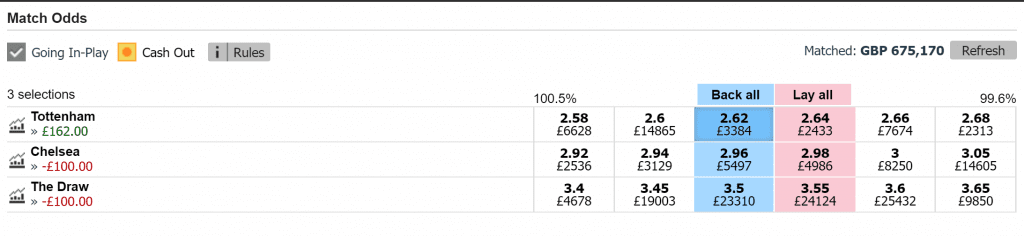
For £100 stake I can win £162 if Tottenham win the match over 90 minutes. If they fail to win I will LOSE £100.

So when Spurs take the lead I could expect their price to drop to around 1.50 and then I could lay them with the same £100 stake.
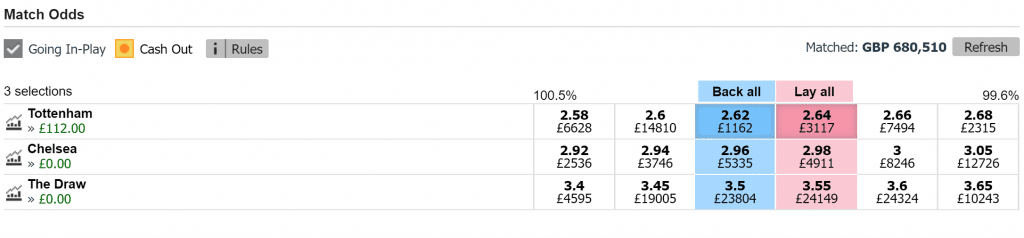

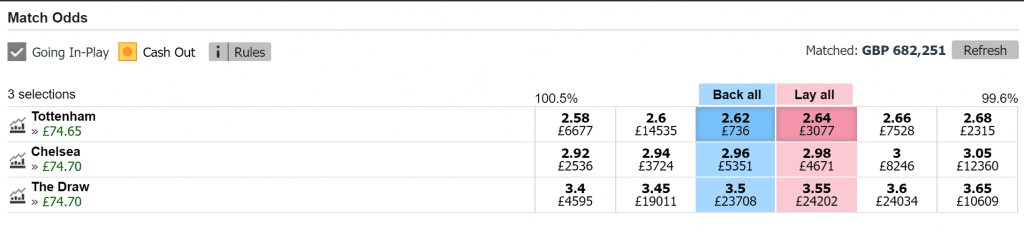
And the big difference with football trading compared to trading elsewhere is you can actually “sell” first then buy it later by laying first.
Here is a quick example…
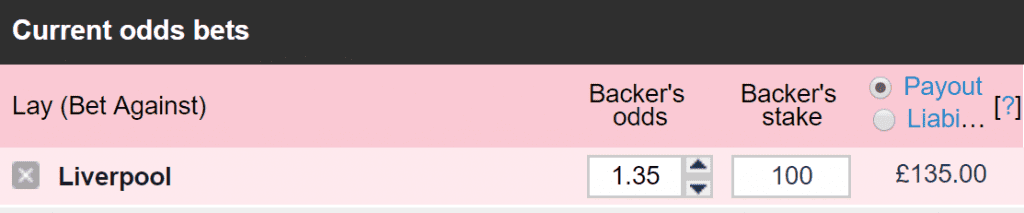
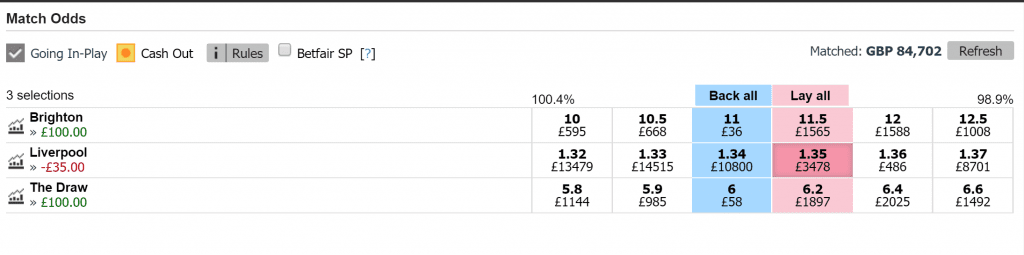
In the above Premier League match between Brighton and Liverpool, you could open a trade by laying Liverpool @ 1.35.
And as you can see, with a £100 stake this makes my risk £35 and if Liverpool win this match I will lose that money.
But if Liverpool were to concede an early goal we could reasonably expect their price to rise from 1.35 to 1.80.
And this is where we could lock in a profit from our trade.

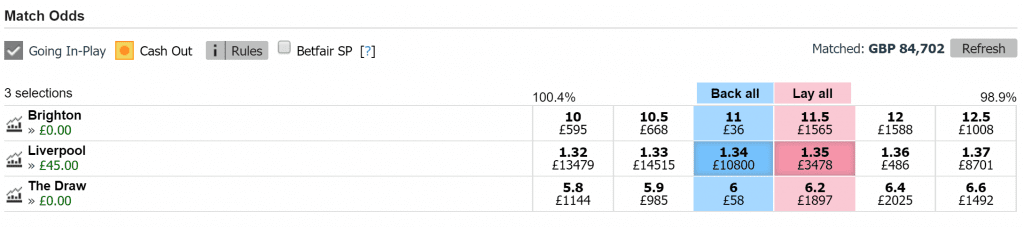
In the above example, the football trader would then back Liverpool @ 1.80 with the same £100 stake and he would be left with a position of winning £45 if Liverpool go on to win and no loss on the other outcomes.
Essentially a free bet.
But as mentioned, many football traders like to ensure they will profit no matter who wins.

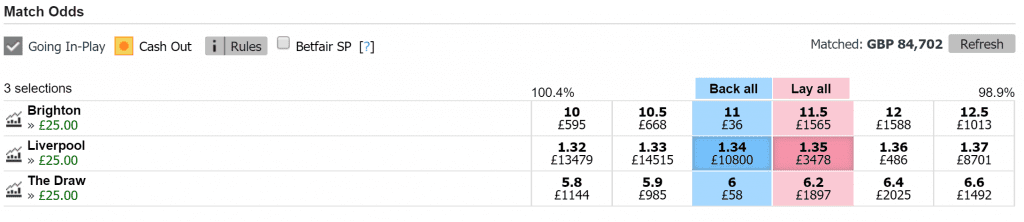
And here by backing Liverpool with £75, you could lock in a guaranteed “green screen” profit of £25.
Not a bad trade considering the initial risk was only £35.
The hard part is getting a team like Liverpool to go a goal down! 😀
What causes football odds to move?
If you are new to this you are not alone in wondering WHY the odds can move in a football match. Before I discovered this world I assumed there was one price and that was it but as you can see this is definitely not the case.
So the odds can move around both pre-match and also in-play. With in-play having the most volatile and bigger price movements.
The prices may move pre-match due to things like team news or the public piling the money on a favourite. Also, if a sharp punter with big stakes spots value in a certain price his bet alone might be enough to move the market.
Once the match goes in-play the markets are moved by goals. Either goals being scored or not being scored and this is explained in more detail further in the article.
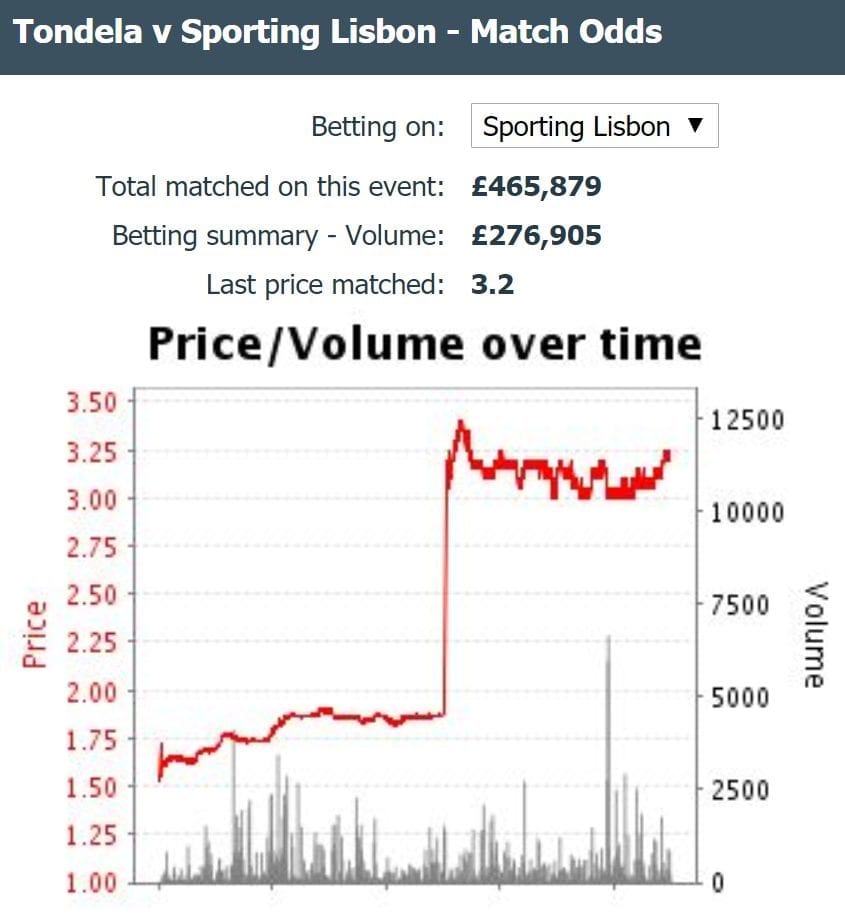
In this above example, you can see that Sporting Lisbon started the match priced at around 1.80 but after conceding the first goal of the match their price rose to 3.30.
And because they looked likely to score and equalise after conceding the goal you can see their price by the time I took the screenshot had gone into 3 and the last price matched was 3.2.
Lots of movement as you can see!
And with a £100 lay stake on Sporting Lisbon a football trader could have locked in a guaranteed “green screen” profit of around £44 by just the 6th minute in this match.
Football Odds Price Movement Explained
So you might be thinking that this is all well and good but how can you predict where the prices will move to after a goal is scored. Is it random? Is it based on human emotion?
Well the answer might surprise you and it can be quite easy to predict the price moves in football. I explained much of this in this below video so check this out for a better understanding.
And you will see in that video I give away the below price predictor cheat sheet so you can quickly work out these price moves on the fly as you trade.
You can optin below to get that cheat sheet sent direct to you if you wish.
Football Trading Vs Football Betting
You might (or might not be) wondering if there is any sort of advantage to trading the bets over just having a bet.
There are actually good arguments for and against it and here are some of the main ones.
Football Trading Advantages
There are many advantages to trading football over simply betting on it.
When trading football you often get the chance to secure your profit and win no matter how the event finishes. If you have locked in a profit then whoever goes on to win (lose or draw) the match doesn’t make a difference, the football trader has already made their money on that event. No worrying about a last minute goal stealing your profits.
Many of those who do regular betting on football often feel like they are putting their money on the outcome and then “hoping” for the best. But with football trading you have a lot more control over your destiny with the chance to get in or out of the market depending how it is developing.
Football trading also gives you the chance to be only “half right” and still make a profit.
For example, if I thought Man Utd might beat Liverpool.
I backed Man Utd at kick off and they go 2-0 up. As a football trader I could now secure my profit and win no matter the outcome.
But if later in the match Man Utd get a man controversially sent off and Liverpool come back to win 3-2 then it doesn’t matter to the football trader since they have already made their money even though they only got it half right in that they thought Man Utd would win but the red card changed the course of the match.
With football trading your only concern is the direction that the odds will move in.
This is just some of the many hypothetical examples of why there is an advantage by trading football as opposed to just betting on it.
Football Trading Disadvantages
But it is important to understand that football trading is not perfect by any means.
One problem with football trading can be the time commitment required. If you were betting on a match you probably place your bets and walk away but by trading you might have to spend 90 minutes (plus stoppage time) to trade it.
Also, by entering the match at the wrong time you might predict a match correctly but the rules of your method mean you lose the trade.
For example..
If you thought a match would finish Over 2.5 Goals and you wanted to trade it then you might enter the market in the first half but then exit if no goals by half time and take a loss on the trade.
But the 3 goals might still arrive in the second half and in this case the trader will have predicted it correctly but still lost the trade whereas someone who had a bet would have had a winner in this scenario.
So if you are planning to trade football then you should take all this into consideration. Both approaches can be profitable if you have an edge on the markets.
I always say if you are going to bet then just bet and if you are going to trade then trade.
Do not mix and match them as you will end up with mediocre results.

Markets To Trade Football On
So now you understand the basics of football trading , lets take a look at the different markets that are available to trade.
There are so many markets available but you might be surprised to find there are only a few that are really worth trading.
Match Odds
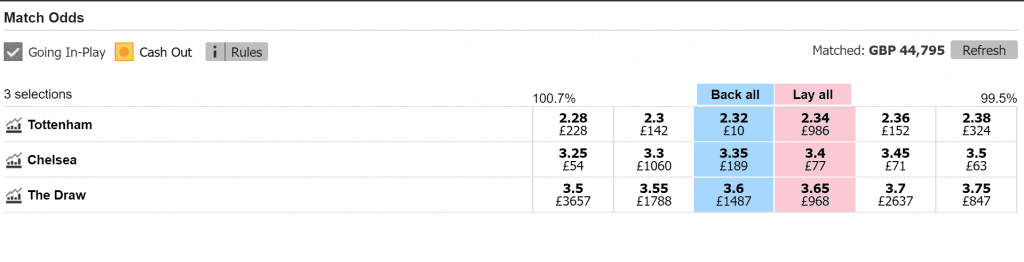
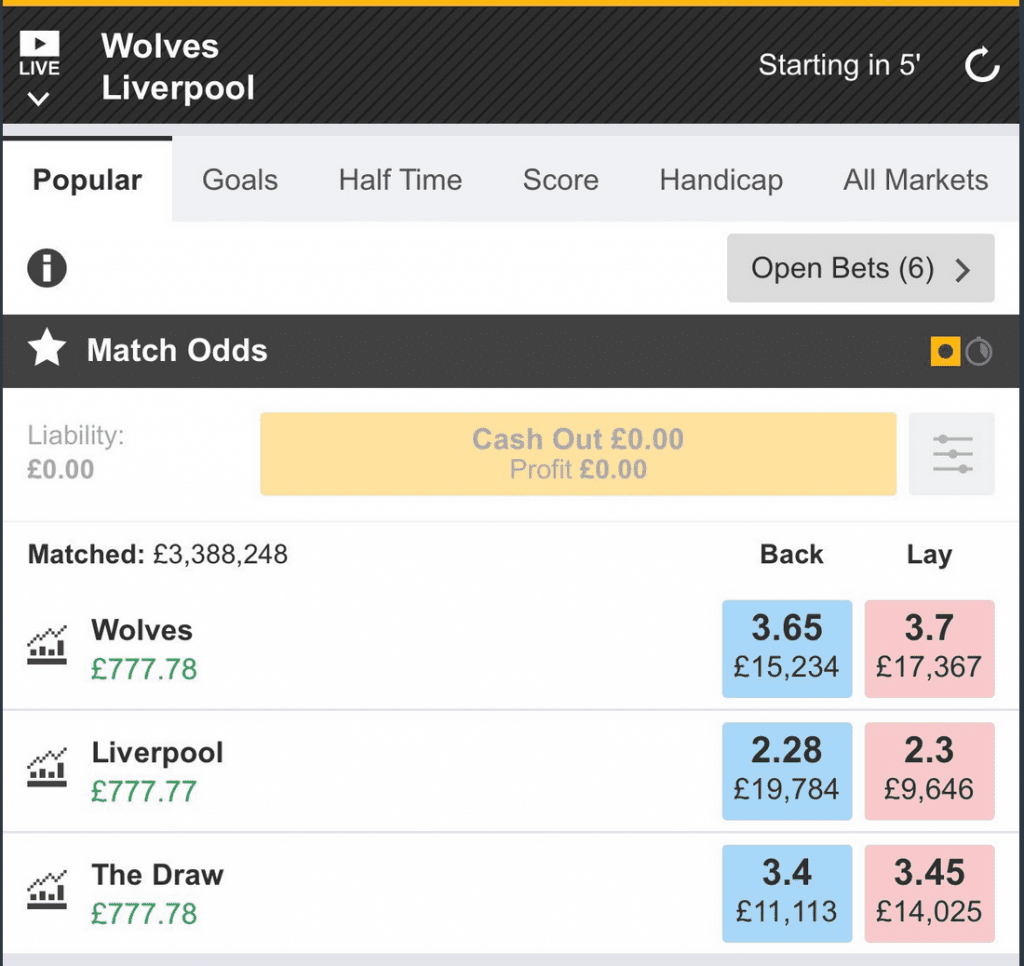
The Match Odds market is the most popular and the most liquid market on any football match. This is the simple 1×2 market where you can back (or lay) either the home or away team to win or also back (or lay) the draw.
Goal Markets
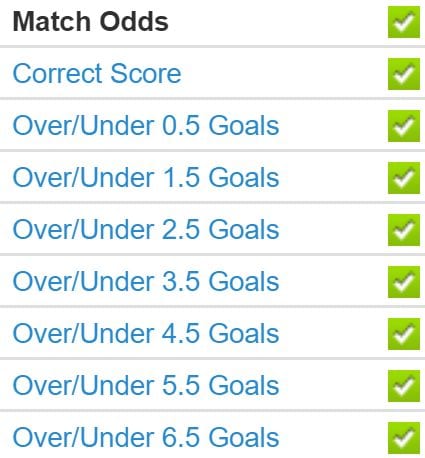
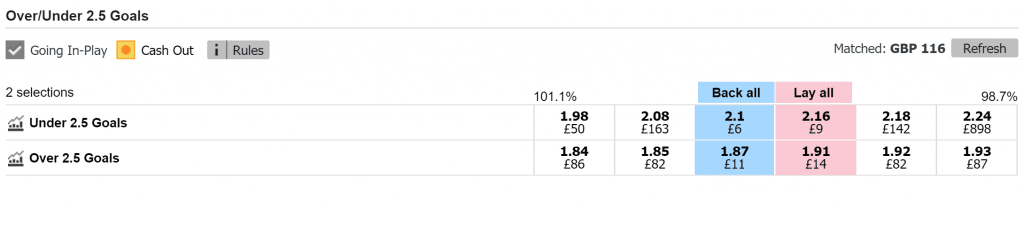
The most popular goal markets are the Over/Under 2.5 Goals but almost all of the goal markets can be traded. On this one you are wagering on the match finishing either Over 2.5 Goals (3 goals or more) or Under 2.5 Goals (2 goals or less).
Correct Score market
The Correct Score market is the market you use to predict the final score of the match but this can be traded to good effect also. You get some pretty generous prices on the Correct Score of a match and this can make it quite a lucrative market to trade. Albeit, quite a complicated market for a novice.
If you are interested in learning more about this market including how to trade it then check out our Correct Score market MEGA GUIDE here!

Alternative markets
The above markets are the most liquid and it is suggested you should stick with them. But there are other markets worth looking at which can sometimes be liquid enough to trade.
These include:
Half Time (Win market)
Half Time Correct Score
First Half Over/Under 0.5 Goals
Both Teams To Score
Different Ways To Trade Football
Now that you understand the basics of football trading, I am now going to show you FOUR of the most popular ways to trade football on the betting exchanges.
Have a look and decide which way might suit you best.
Pre-match football trading
So trading pre-match or sometimes referred to pre-event would involve taking a position some time before the match actually kicks off. This could be as soon as the market opens (usually a week before the match is due to kick off) but most likely this will be in the 2-3 days before kick off with most action happening on the day.
The earlier you get in the market the bigger the price moves you can expect with the price moves on the day of the event often being quite small (around 3-4 ticks on average depending on the market).
Just judging from the feedback on my blog, pre-match football trading has decreased in popularity in recent years probably due to the fact that the markets for domestic matches are becoming sharper and spotting the “bigger” price moves has become more difficult. I used to do a lot of trading pre-match myself but I noticed this trend also and it became less worth the time and effort when compared to in-play trading.
That is not to say that pre-match football trading is dead. But you will need a big bank and at least 4 figure stakes to make any worthwhile money from the markets.
These days the best price moves are often found on cup competitions (FA Cup, Champions League, World cup). This is due to the markets finding it harder to price up teams who do not play against each other often.
And, also having to factor in unpredictable team news and the motivation of the teams.
So if you are interested in trading pre-match you might have the best experience doing it on cup matches where the price moves can be bigger.
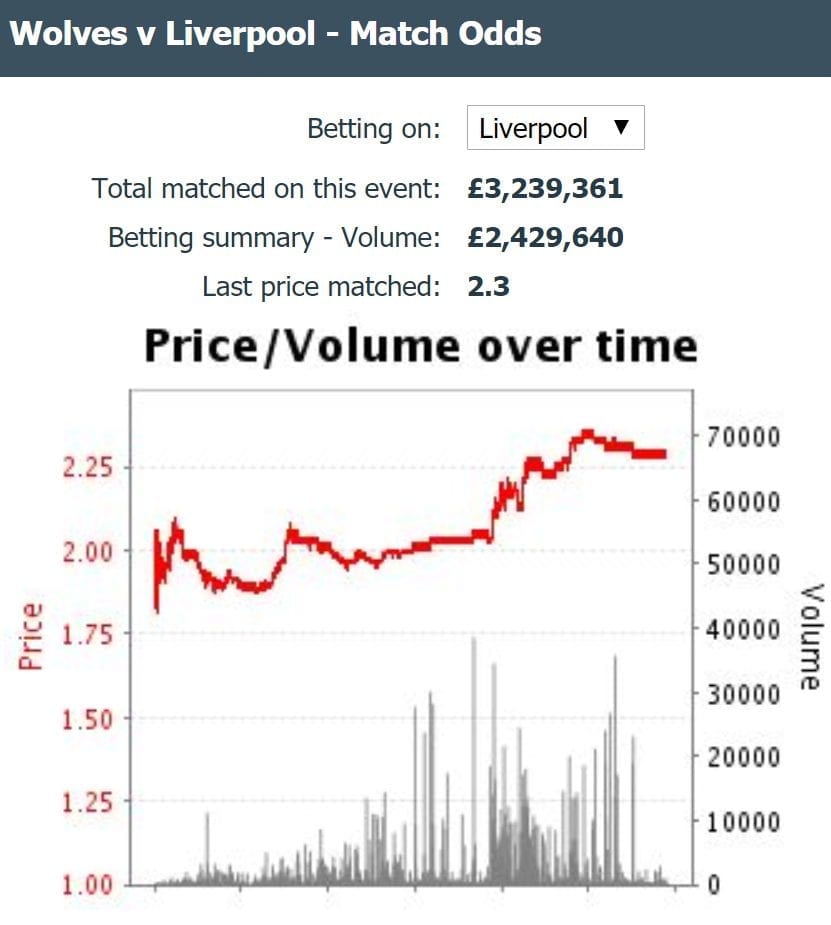
This above chart shows the price drifting on Liverpool ahead of their FA Cup match against Wolves. Since nobody was sure if Liverpool would put out a strong team or not the price move was quite a large one (for a pre-match move) when it was finally confirmed Liverpool would put out a weak team.
Liverpool moved from a price of 2.02 out to 2.32 by kick off.
A football trader who opened the trade with a lay on Liverpool using a £100 stake would have have locked in a guaranteed “green screen” profit of around £14 before the match has even started.
However, those who trade football pre-match for a living are much more likely to use bigger stakes than that though in order to lock in a more worthwhile profit.
Below is an example of a profit made on this same match by a trader on twitter
And this should give you an idea of the type of profits that can be made trading before kick off.
Team news and a key player being absent (or surprisingly included) still has the biggest impact on the pre-match markets but it is not as easy as it used to be.
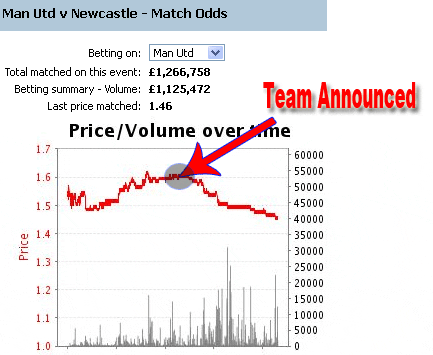
This below example from 2012 showed an easy pre-match trade when Manchester United’s Wayne Rooney (their star man at the time) was expected to be injured but then was surprisingly included.
Simply backing Man Utd when the team news was announced could have rewarded you with an easy profit as they moved from 1.60 into 1.46.
This is when it was much easier to trade football pre-match and these days with so much focus on football via social media and more bigger fish involved the markets are not as easily surprised. You will often see the prices moving well before they are actually announced which suggests those with inside information are the ones profiting the most.
Futures football trading
Futures football trading is more long term and often involves markets such as the Premier League winners market, Champions League winner and similar.
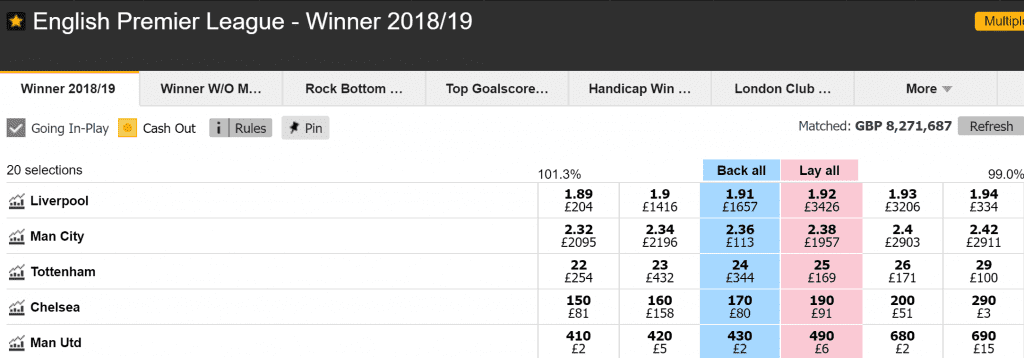
The main principle behind trading this market would be to take an early position backing a team when the competition is in its infancy with a view to laying them at a lower price as the competition progresses. These are often considered futures markets since they can take place over a whole season.
For example, in the Champions League 2018 season.
A football trader could have backed Liverpool at odds of around 16 early in the season and they could have traded out when Liverpool reached the final at odds of around 2.80.
A £100 stake could have returned a “green screen” profit of £472 on that trade and even though Real Madrid won the Champions League the football trader would have still made a profit.
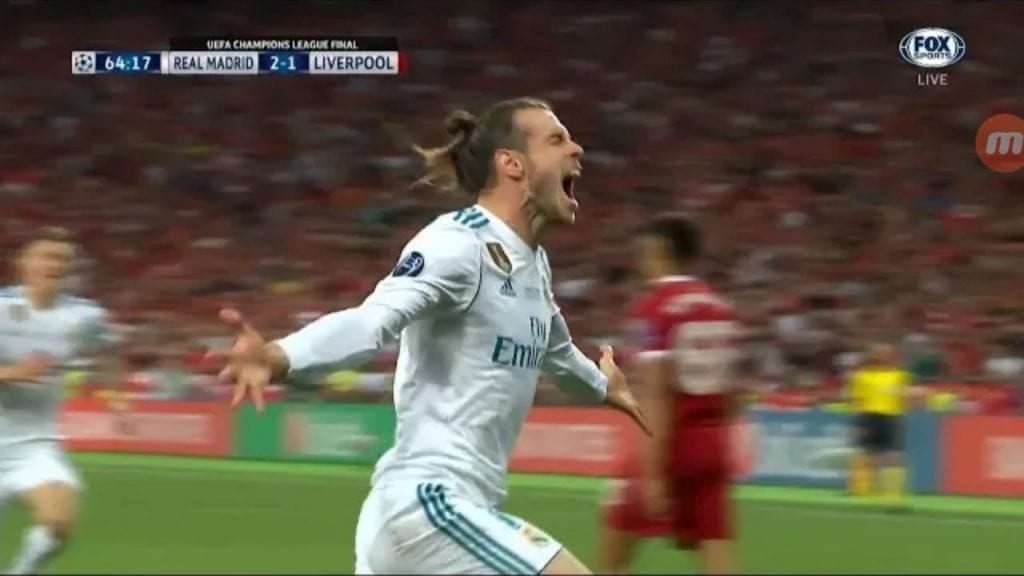
The tricky part with trading futures markets such as this is when to stick and when to twist on your trade. Which is why it is important to set your exit plan BEFORE you enter the market with any trade.
Futures football trading is probably one of the most underrated ways to trade football and many novices initially overlook this market when starting out with football trading.
In play football trading (Goal Positive)
Easily the most popular way to trade football is in-play and with a goal positive approach.
This means that a football trader will be getting involved when the match actually begins and for them to make a profitable trade they will need to be in the market when a goal is scored.
There are more details about this in the strategies section but popular ways to trade football in-play can involve the lay the draw strategy and backing Over 2.5 Goals.
You will also find most of the liquidity during a football match enter the market once it is in-play. This is important to keep in mind since if you want to be able to scale up a strategy you need the markets to be liquid and able to handle whichever stakes you want to use.
The top traders can often trade Premier League matches with 5 figure stakes but they would struggle to replicate that trading something like League 2.
In Play Football Trading (Goal Negative)
The opposite to goal positive football trading is (as you guessed) goal negative football trading which means that the football traders needs to be in the market when there are NO goals in order to profit. This is also often referred to as trading “time decay”, “time value” or trading “cold” matches.
This approach lends itself well to scalping or swing trading on the Under 2.5 Goals market or any of the “under” goal markets. More advanced ways to trade this way can also be on the Correct Score market and even Match Odds.
There is more detail about this approach in the strategies section which we will move on to now.
Low Risk Football Trading Strategies
So by now you have a pretty good idea of how to trade football and the different markets you can trade upon.
Now it is time to formulate a strategy and I am going to show you some of the most popular proven strategies and ones that are perfect for beginners to dip into. All of these can be considered pretty low risk strategies in that you are not risking your whole bank to make a few % return at a time.
Back The Favourite
Probably the most simple and maybe the most underrated strategy for trading football is simply backing the favourite.
With this strategy you would do exactly as said on the tin and back the favourite when you feel they are dominant and likely to take the lead in the match. You would then be able to cash out for a profit once their odds drop after they take the lead.
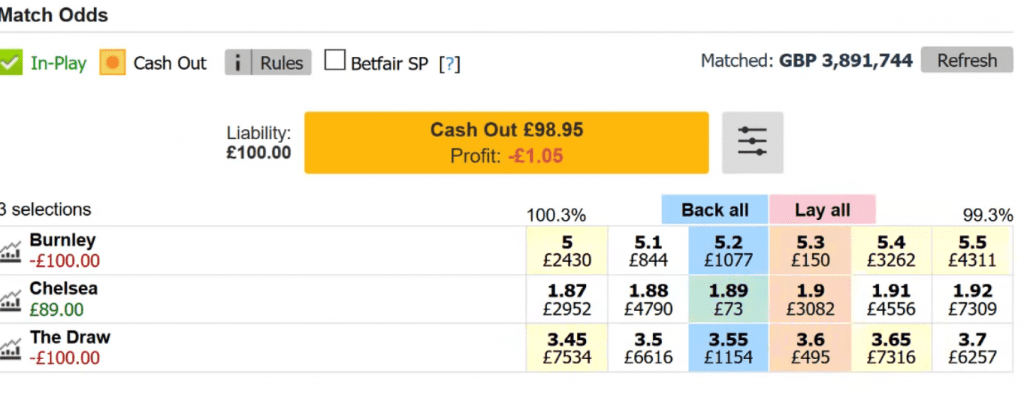
In this match we saw that Chelsea were dominating Burnley and looked likely to take the lead. So we backed them with 100GBP @ 1.89.
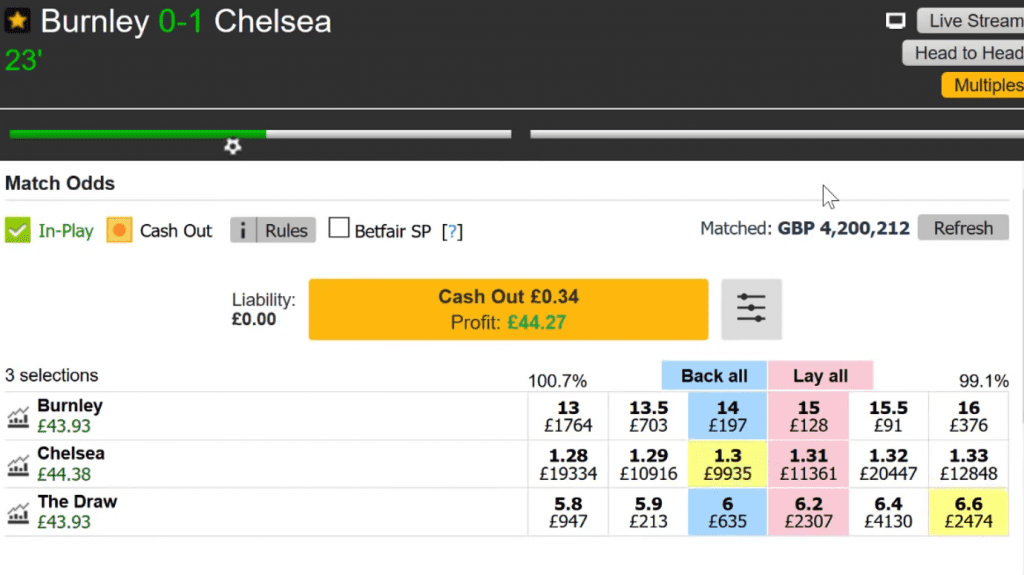
In the 23rd minute, Chelsea took the lead and their price moved into 1.31 to lay. At this point we could now take our guaranteed “green screen” profit of £44.
Simple right?
Many football traders initially shun this way of trading and call it too “simplistic”. Many novices make the mistake of thinking that football trading should be complicated and any strategy that is too simple won’t work in the long run.
However, if you have a good eye for reading the match in-play and you can spot when a team is dominant and likely to score the next goal then this strategy can be one that produces excellent profits.
The risk with this strategy is that the favourite does not score or the underdog manages to score the first goal. These are all risks that can be mitigated with careful match selection. In my experience if you pick the matches carefully then the underdog scoring should happen less than 5% of the time and your main worry is simply the favourite not finding the back of the net.
In this video, I reveal my “DOMINATION” strategy which is one of the many ways you can employ the “Back The Favourite” strategy.
You will see in the video how I select the matches based on the in play action and how I choose the entry and exit points. Be sure to watch all the way through as this is an excellent beginners strategy to start experimenting with.
By The Way…
Not sure if you already have this or not but most subscribers to my blog have found this very useful so you should download a free copy for yourself here.
Lay The Draw
The Lay the draw strategy is one of the most popular football trading methods and is used by beginners and professionals alike.
The principle behind this method is that if you lay the draw when the match is currently a draw you can benefit from a big price jump when a goal is scored.
For example, if you were to lay the draw @ 3.25 then you may be able to back the draw @ 6.5 after a goal is scored and you could cash out for a healthy profit. The main advantage of laying the draw over backing the favourite is that it often does not matter who scores the goal and depending on the price you entered the market at you could make a profit either way.

Here in this match between Newcastle and Burnley we have done a lay on the draw @ 2.36. This gives us a risk of £136 on The Draw outcome and £100 profit potential on the home and away outcomes.
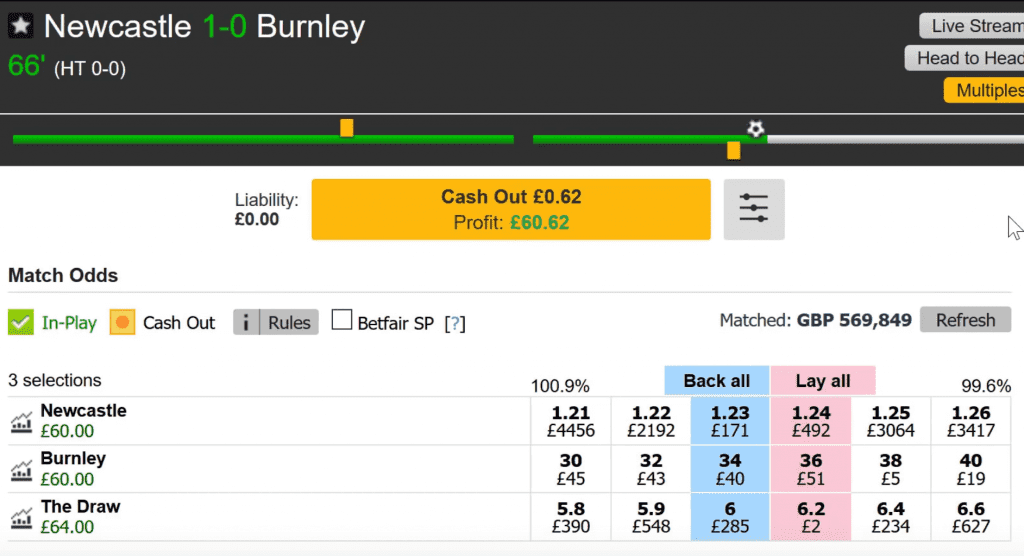
In the 66th minute, Newcastle score to lead 1-0. The price on Newcastle shortens which causes the price on the draw and on Burnley to rise.
The draw price has moved from 2.36 to 6 and we can trade out for a guaranteed green screen profit of £60 no matter the outcome.
There has been much debate about the effectiveness of Lay The Draw down the years with many who struggle to make a profit using it saying it doesn’t work. Many argue you are effectively just backing for one more goal to be scored and so backing Over 0.5 when 0-0 or Over 2.5 when 1-1 can be more simple.
My thoughts is that like any strategy much depends on having careful match selection and optimizing your selection process over time.
Also, with Lay the draw your entry point is key. In this video I show you the best time to get involved with this method in order to make the biggest profits.
If you are interested in learning more about the Lay The Draw method then check out my FULL Lay The Draw video playlist on Youtube or read my Ultimate Lay The Draw guide which is a very good read.
Trading Under 2.5 Goals
An effective way to trade football can be by taking advantage of what is regularly known as “time decay” or “time value”. These are referred to as “goal negative” or “cold” strategies which need to avoid a goal being scored to be profitable.
The Under 2.5 Goals markets are great for trading since the direction of the markets are very easy to predict since the price will only move downwards as long as no goal is scored.

NOTE: It should be mentioned that the same principle can be applied no matter which “Under” goal market you use, whether it be Under 1.5/3.5/4.5 etc. However, liquidity is often best on the 2.5 goal market at kick off.
This makes trading the Under 2.5 Goals price very conducive to both swing trading and scalping.
With swing trading you would take a position by backing Under 2.5 Goals and then laying it when the price drops a certain number of ticks. Which price you back at and how many ticks you aim for is totally up to you and your attitude to risk.
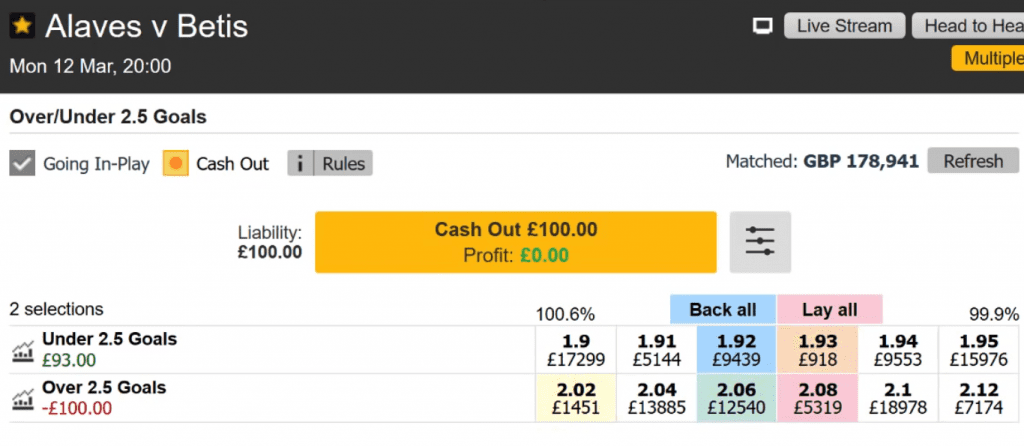
Above you can see we backed Under 2.5 Goals at the start of the match at 1.93. Then below you can see we cashed out for a guaranteed “green screen” profit of £19.
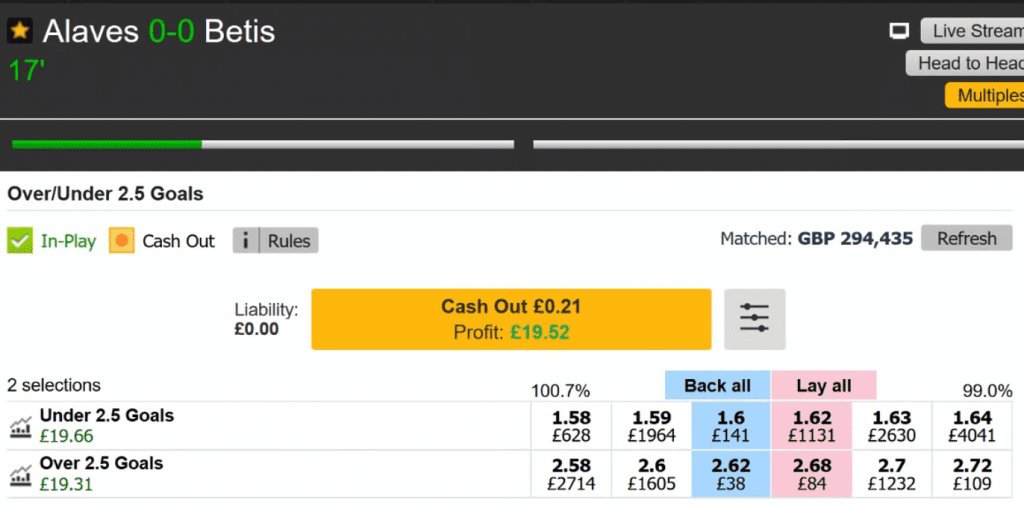
Not bad for 17 minutes work!
Those who scalp the Under 2.5 Goals markets will take a similar approach but will be aiming to win 1 or 2 ticks at a time. Those who did this to a professional level will likely use the assistance of Betfair trading software and live TV pictures. Their aim will be to get in and out of the market quickly when a football match has a quiet moment. If done carefully this can be a very lucrative way to trade football.
However, this is getting harder to do as time goes by especially considering these days that the live TV pictures are often several seconds behind the real action which can make scalping pretty dangerous stuff.
This video on “How To Trade Under 2.5 Goals” is one of my most popular videos on Youtube with over 100,000 views last time I checked. Check it out to see some live examples of trading this market.
Trading Over 2.5 Goals
One of the most popular markets to trade is the Over 2.5 Goals market. It requires goal positive or “hot” strategies and the average football punter loves goals (that is why we watch it after all) and so you can see why it is a popular market.
The most common way of trading Over 2.5 Goals is by simply Backing Over 2.5 Goals when a goal is anticipated and then cashing out for a profit after a goal is scored and the odds shorten.
This is a strategy which sounds easy in practice however goal timing is very crucial.
The odds on Over 2.5 Goals are constantly rising and if you do not get the goal you need within a certain time then when the markets reform after a goal you might not get the movement you need and you might even still take a loss.
So this is why I advocate splitting your stake up as you enter the Over 2.5 Goals market so you can be sure you are constantly in a position to pro